What does dolo mean in slang is a common question among people who see this word in texts, social media posts, or online conversations. Slang changes quickly, and many short words can have different meanings.
depending on the situation, platform, and people using them. The term “dolo” is often seen in casual conversations, music, and internet culture, making people curious about its real meaning.
Unlike many slang words that only have one definition, “dolo” can have more than one meaning depending on the context. It is commonly used to describe doing something alone or independently, but it may also appear as an abbreviation in different communities.
Understanding the tone and situation helps you know what someone means when they use “dolo.”
Quick Answer:What Does Dolo Mean in Slang?
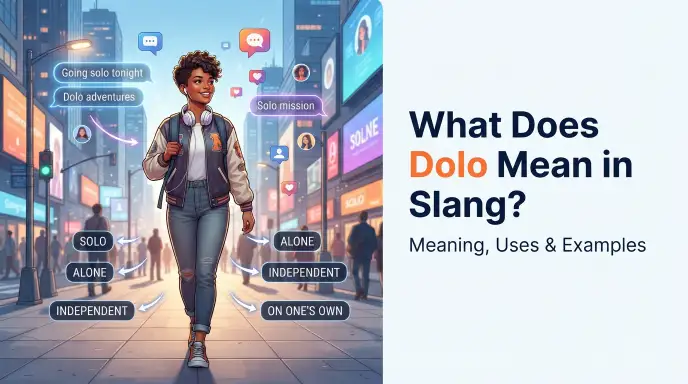
In slang, dolo usually means “alone” or “by yourself.” It comes from the phrase “solo” and is often used to describe doing something independently, without other people.
What Does Dolo Mean in Slang?
The most common meaning of dolo in slang is “alone,” “solo,” or “by yourself.” People use it when they want to say they are doing something without friends, a group, or assistance from others.
For example:
- “I’m going dolo tonight.”
- “She traveled dolo for the first time.”
- “He handled the project dolo.”
In these examples, “dolo” means the person is doing the activity independently.
The slang became popular because it is a shorter and more casual way of saying “solo.” It fits naturally into conversations, especially online where people often use shorter words and abbreviations.
The meaning can also carry a sense of confidence. When someone says they are going “dolo,” they may be expressing independence, selfifreliance, or the choice to handle something on their own.
Simple Meaning of Dolo:
| Slang Word | Meaning |
| Dolo | Alone / By yourself |
| Solo | Alone / Without others |
| Independent | Doing something without help |
Dolo Full Form / Definition
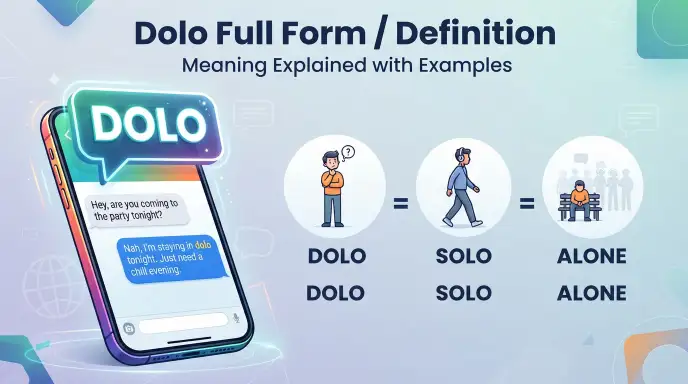
The phrase “dolo full form” does not have one official expansion because it is slang rather than a formal abbreviation. In most casual conversations, it is simply a shortened version of “solo.”
Some people also use “dolo” as a shortened form of phrases like:
- Do it alone
- Doing it solo
However, these meanings depend on the community using the term. The most widely understood meaning remains alone or independently.
What Does Dolo Stand For?
When people ask “what does dolo stand for?”, they are usually looking for the slang meaning. In everyday use:
Dolo = Solo = Alone
Example:
“I went to the concert dolo.”
Meaning:
“I went to the concert alone.”
Is Dolo Rude, Offensive, or Neutral?
The slang word dolo is generally neutral. It is not considered a rude or offensive term in normal conversations.
The meaning depends mostly on the speaker’s tone. Someone might use “dolo” in a positive way to show independence, confidence, or personal choice.
Examples:
- “I’m going dolo on my vacation.”
- Positive meaning: enjoying personal freedom.
- “He works dolo because he likes focusing alone.”
- Neutral meaning: prefers working independently.
However, like any slang term, the meaning can change based on context. If someone says it during an argument, it could sound like they are rejecting help or separating themselves from others.
Example:
- “Fine, I’ll do it dolo.”
- This could sound frustrated depending on the situation.
Is Dolo Professional?
Although “dolo” is common in casual speech, it is not usually used in formal writing.
Avoid using it in:
- Business emails
- Academic papers
- Official documents
- Professional reports
Instead, use clearer words like:
- Alone
- Independently
- By myself
- Without assistance
For example:
Casual:
“I finished the task dolo.”
Professional:
“I completed the task independently.”
Where Is Dolo Commonly Used?
The slang word dolo is mostly used in informal conversations where people want to sound casual, relaxed, or expressive. It appears in everyday speech, online messages, music, and social media discussions.
Because slang spreads quickly through digital platforms, “dolo” can be seen in places where people share personal updates or talk about their activities.
Common places where you may see dolo meaning slang include:
- Text messages: Friends may use “dolo” when talking about plans or activities.
- Instagram captions: People sometimes use it to describe solo trips, personal achievements, or independent moments.
- TikTok: Creators may use “dolo” in videos about traveling alone, selfifimprovement, or personal experiences.
- Snapchat: Short slang terms like “dolo” fit the casual style of quick conversations.
- Gaming communities: Players may use it when mentioning playing without a team or completing something alone.
- Music and lyrics: Hipifhop and urban culture have helped spread many slang terms, including words connected with independence and confidence.
For example:
“First time flying dolo ✈️”
This means:
“First time flying alone.”
The word works well online because it is short, easy to understand, and carries a casual feeling.
Origin and Background of Dolo
The exact origin of dolo slang is difficult to trace because slang usually develops naturally through communities rather than being officially created by one person.
The most accepted explanation is that dolo comes from “solo,” with the first letter changed to create a new slang variation. Similar word changes are common in informal speech, where people modify existing words to create unique expressions.
The idea behind the word is simple:
- Solo = alone
- Dolo = alone (slang version)
This type of slang formation is common in many languages and cultures. People often change sounds, shorten words, or create new versions of familiar terms to make communication feel more personal and connected.
Over time, “dolo” became more recognizable through:
- Casual conversations
- Music culture
- Online communities
- Social media posts
Today, many people understand it as a relaxed way to say they are doing something independently.
Why Do People Use Dolo Instead of Saying Alone?
People use slang because it adds personality and emotion to communication. Saying “dolo” can feel more casual and expressive than simply saying “alone.”
Compare these examples:
Regular English:
“I went to the restaurant alone.”
Casual slang:
“I went to the restaurant dolo.”
Both sentences have the same meaning, but the tone feels different.
“Dolo” can suggest:
- Independence
- Confidence
- Freedom
- Personal choice
- A relaxed attitude
For some people, doing something “dolo” is not about being lonely. Instead, it can represent enjoying their own company.
Example:
“I took a dolo trip across the country.”
This usually suggests a personal adventure rather than sadness or isolation.
Dolo Meaning on Social Media
On social media platforms, dolo meaning in text is usually connected with personal experiences and lifestyle content.
People often use it in captions or comments when showing that they are doing something alone.
Examples:
Instagram caption:
“Coffee date dolo ☕”
Meaning:
“Having coffee by myself.”
TikTok caption:
“Moved to a new city and started over dolo.”
Meaning:
“Started over independently.”
Snapchat message:
“Movie night dolo.”
Meaning:
“Watching a movie alone.”
On platforms like TikTok and Instagram, slang words often become popular because they make posts feel more natural and relatable. “Dolo” fits this style because it is short and communicates an entire idea quickly.
Dolo in Gaming and Online Communities
In gaming spaces, “dolo” may describe playing or completing something without a team.
For example:
“I finished the mission dolo.”
Meaning:
“I completed the mission alone.”
Gamers often use short slang terms because communication needs to be fast, especially during multiplayer games.
However, the meaning can depend on the game and community. In some groups, players may use different words like:
- Solo
- Solo queue
- Lone wolf
- Oneifman run
These terms can have similar meanings but may not always be interchangeable.
Real :Life Examples of Dolo Usage
Understanding examples is one of the easiest ways to learn how slang works. Here are different situations where “dolo” may appear:
Friendly Conversation
Friend 1:
“Who are you going with to the concert?”
Friend 2:
“I’m going dolo this time.”
Meaning:
“I’m going alone.”
Tone:
Casual and confident.
Travel Situation
“I decided to travel dolo because I wanted some personal time.”
Meaning:
“I decided to travel alone.”
Tone:
Independent and positive.
Work or Study Context
“I completed the assignment dolo.”
Meaning:
“I completed the assignment by myself.”
Tone:
Shows independence.
Social Media Post
“Weekend adventure dolo 🌎”
Meaning:
“A weekend adventure alone.”
Tone:
Fun and personal.
Argumentative Situation
“Forget it, I’ll handle it dolo.”
Meaning:
“I’ll handle it myself.”
Tone:
Could sound annoyed or frustrated depending on the situation.
Different Meanings of Dolo in Slang
Although the most common meaning of dolo in slang is “alone” or “by yourself,” slang can change depending on the community, location, and conversation. In some cases, people may use “dolo” with slightly different meanings.
Understanding the context is important because the same word can carry different ideas.
1. Dolo Meaning: Doing Something Alone
This is the most common use of the word.
When someone says they are doing something “dolo,” they usually mean they are doing it without friends, partners, or a group.
Examples:
“I went dolo to the gym today.”
Meaning:
“I went to the gym by myself.”
Another example:
“She likes working dolo because she can focus better.”
Meaning:
“She likes working alone.”
In this meaning, “dolo” is usually neutral or positive.
2. Dolo Meaning: Being Independent
Sometimes people use “dolo” to show confidence and selfifreliance.
It does not simply mean being alone; it can suggest that someone is comfortable handling things independently.
Example:
“I built my business dolo.”
Meaning:
“I built my business on my own.”
The speaker is emphasizing personal effort and independence.
This usage is common in motivational conversations, personal stories, and social media posts.
3. Dolo as a Shortened Expression
Some people use “dolo” because it sounds shorter and more casual than saying:
- By myself
- Alone
- On my own
- Independently
In texting, people often prefer shorter words because they make messages quicker and easier.
Example:
Instead of:
“I’m going to the event alone.”
Someone may write:
“I’m going dolo.”
The meaning stays the same, but the tone becomes more informal.
Comparison With Similar Slang Terms
Many slang words have meanings close to “dolo.” However, each one has a slightly different feeling.
| Slang Term | Meaning | Difference |
| Dolo | Alone / by yourself | Casual way to say alone |
| Solo | Alone | More common and widely understood |
| Lone wolf | Someone who prefers being independent | Often describes personality |
| By myself | Alone | Standard English, not slang |
| Independent | Able to do things without help | More formal meaning |
Dolo vs Solo
The biggest comparison is between dolo and solo.
Both words mean:
- Alone
- Without others
- Independently
The difference is mainly style.
Solo is a standard word used everywhere.
Example:
“I traveled solo.”
Dolo is more casual slang.
Example:
“I traveled dolo.”
Both sentences mean the same thing, but “dolo” sounds more like internet or streetifstyle language.
When to Avoid Using Dolo
Although “dolo” is not offensive, it is not suitable for every situation.
Because it is slang, you should avoid using it in formal or professional communication.
Avoid using “dolo” in:
- Job applications
- Workplace reports
- School assignments
- Legal documents
- Business communication
For example:
Not recommended:
“I completed the project dolo.”
Better:
“I completed the project independently.”
The formal version sounds clearer and more professional.
Is Dolo Safe for Social Media?
Yes, dolo is generally safe for social media use. It is a casual slang term and is not usually considered offensive.
People commonly use it in:
- Captions
- Comments
- Messages
- Videos
- Personal updates
Examples:
“Selfifcare day dolo ✨”
“Exploring the city dolo.”
“Learning new skills dolo.”
However, remember that slang can be understood differently by different audiences. Some people may know the meaning immediately, while others may not recognize it.
If you are posting for a wide audience, using a clearer phrase like “alone” or “on my own” may help everyone understand.
Why People Use Dolo in Communication
People use slang because it creates a sense of connection and personality. Words like “dolo” can make conversations feel more relaxed and natural.
Some reasons people choose this slang include:
1. It Sounds More Casual
“Dolo” feels less formal than “alone.”
Example:
“I’m going dolo tonight.”
sounds more relaxed than:
“I’m going alone tonight.”
2. It Shows Confidence
Many people use “dolo” when talking about personal achievements or experiences.
Example:
“Started my journey dolo.”
This can suggest strength and independence.
3. It Fits Online Communication
Short words work well on social media because users often prefer quick expressions.
A short caption like:
“Dolo adventure 🌎”
can communicate a full idea without many words.
Impact of Using Dolo in Communication
Using slang can make conversations more friendly and relatable, but it also depends on the audience.
Positive Effects:
- Makes messages feel casual
- Creates a sense of belonging
- Shows personality
- Makes online communication faster
Possible Problems:
- Some people may not understand it
- It may seem too informal in professional settings
- Meaning can change depending on context
Good communication is about choosing words that match the situation.
Using “dolo” with friends may sound natural, but using it in a workplace email may seem inappropriate.
More Real :Life Examples of Dolo Usage
The best way to understand what does dolo mean in slang is to see how people use it in different situations. The word usually keeps the same meaning, but the tone can change depending on the conversation.
Friendly Examples
In friendly conversations, “dolo” is often used in a relaxed and positive way.
Example 1:
“I’m going dolo to the coffee shop today.”
Meaning:
“I’m going to the coffee shop alone today.”
Tone:
Casual and normal.
Example 2:
“Sometimes I like shopping dolo.”
Meaning:
“Sometimes I like shopping by myself.”
Tone:
Shows personal preference.
Example 3:
“Went hiking dolo this weekend.”
Meaning:
“I went hiking alone this weekend.”
Tone:
Independent and adventurous.
Casual Texting Examples
Because texting often uses short words, “dolo” can appear in quick messages between friends.
Text conversation:
Friend:
“Who are you watching the movie with?”
Reply:
“Dolo tonight 😂”
Meaning:
“I’m watching it alone tonight.”
Text conversation:
Friend:
“Are you going to the party?”
Reply:
“Yeah, but I’m coming dolo.”
Meaning:
“Yes, but I’m coming by myself.”
Argumentative or Emotional Examples
The meaning of “dolo” can slightly change when someone is upset or frustrated.
Example:
“Forget everyone, I’ll do it dolo.”
Meaning:
“I’ll handle it myself.”
Tone:
Could show frustration, disappointment, or a desire to be independent.
Another example:
“I’ve been doing everything dolo.”
Meaning:
“I have been handling everything alone.”
Tone:
May express that someone feels unsupported.
The word itself is not negative, but the surrounding emotions can change how it sounds.
Gaming and Online Examples
In gaming communities, “dolo” may describe completing a task without teammates.
Examples:
“I beat the level dolo.”
Meaning:
“I beat the level alone.”
“Playing ranked dolo today.”
Meaning:
“Playing ranked games without friends or a team.”
“Finished the challenge dolo.”
Meaning:
“Finished the challenge by myself.”
In gaming, other words like “solo” or “solo queue” may be more common, but “dolo” can still appear in casual chats.
Common Mistakes When Using Dolo
Although “dolo” is easy to understand, people sometimes misuse it because they are unsure about its meaning.
Here are common mistakes to avoid:
Mistake 1: Thinking Dolo Means Something Negative
Some people assume that doing something “dolo” means someone is lonely.
That is not always true.
Example:
“I traveled dolo.”
This does not mean:
“I had no friends.”
It simply means:
“I traveled alone.”
Many people enjoy independent activities.
Mistake 2: Using Dolo in Formal Writing
Because “dolo” is slang, it should usually stay in casual communication.
Wrong:
“I completed the business report dolo.”
Better:
“I completed the business report independently.”
Mistake 3: Assuming Everyone Knows the Meaning
Slang changes quickly, and not everyone follows the same internet language.
For example, an older person or someone unfamiliar with online slang may not understand:
“I’m going dolo.”
A clearer phrase may be better:
“I’m going alone.”
Mistake 4: Confusing Dolo With Other Abbreviations
The word “dolo” may have different meanings in specific communities, brands, names, or languages.
Always look at the context before deciding what someone means.
For example:
- A social media caption about travel → likely means alone.
- A medical or business discussion → could refer to something else.
Polite Alternatives to Dolo
If you are speaking in a formal situation or with someone unfamiliar with slang, use these alternatives:
| Casual Slang | Clear Alternative |
| Dolo | Alone |
| Dolo | By myself |
| Dolo | On my own |
| Dolo | Independently |
| Dolo | Without help |
Examples:
Casual:
“I finished it dolo.”
Polite:
“I finished it on my own.”
Casual:
“I went there dolo.”
Polite:
“I went there by myself.”
Why Understanding Slang Like Dolo Matters
Language changes as people create new ways to express ideas. Slang words often become popular because they make communication faster and more personal.
Understanding slang helps you:
- Follow online conversations
- Understand social media posts
- Communicate with different age groups
- Avoid misunderstandings
Words like “dolo” are simple examples of how language evolves. A single word can show independence, confidence, or personal choice depending on how it is used.
FAQS:Frequently Asked Questions About What Does Dolo Mean in Slang
1. What does dolo mean in slang?
Dolo means “alone,” “by yourself,” or “on your own” in slang. It is commonly used when someone does an activity without other people.
Example:
“I went dolo to the concert.”
Meaning:
“I went to the concert alone.”
2. What does dolo stand for?
The slang term dolo stands for “solo” in most casual conversations. It is a slang variation of the word “solo,” meaning someone is doing something independently.
While some people may create different meanings in specific communities, the most common meaning of dolo is alone or by yourself.
3. Is dolo a bad word?
No, dolo is not a bad word. It is generally considered neutral slang.
The word itself is not rude or offensive. However, the meaning can depend on the tone and situation.
For example:
“I’m going dolo on my trip.”
This sounds positive and independent.
But:
“Fine, I’ll do it dolo.”
This may sound frustrated depending on the conversation.
4. Where is dolo commonly used?
Dolo is mostly used in informal communication, including:
- Text messages
- Social media captions
- TikTok videos
- Instagram posts
- Snapchat conversations
- Online communities
- Casual conversations
It is especially common among people who use internet slang and modern casual language.
5. What is the difference between dolo and solo?
The meanings are almost the same.
Solo is a standard English word meaning alone.
Example:
“I traveled solo.”
Dolo is a slang version often used in casual conversations.
Example:
“I traveled dolo.”
Both mean:
“I traveled alone.”
The main difference is style and tone, not meaning.
6. Can I use dolo in professional conversations?
It is better to avoid using dolo in professional settings.
Because it is slang, it may not sound appropriate in:
- Work emails
- Reports
- Presentations
- Academic writing
Instead, use:
- Independently
- By myself
- On my own
- Without assistance
Example:
Casual:
“I completed the task dolo.”
Professional:
“I completed the task independently.”
Conclusion:
The meaning of dolo is usually neutral and can even have a positive feeling. Many people use it to express confidence, independence, or the enjoyment of personal time. Saying you are doing something “dolo” does not necessarily mean you are lonely; it simply means you are doing it without others.
Like all slang words, context matters. Dolo works well in casual conversations with friends or online communities, but clearer words like “alone” or “independently” are better for formal situations.
Understanding slang helps you communicate better and follow modern conversations. if you see “dolo” in a text, caption, comment, or video, you can now understand that it usually refers to doing something on your own.

I’m Dylan Foster, a slang and internet culture writer passionate about exploring how people communicate online and in everyday conversations. I write about texting abbreviations, social media expressions, and modern slang to help readers understand meanings, origins, and real-world usage in a simple way.